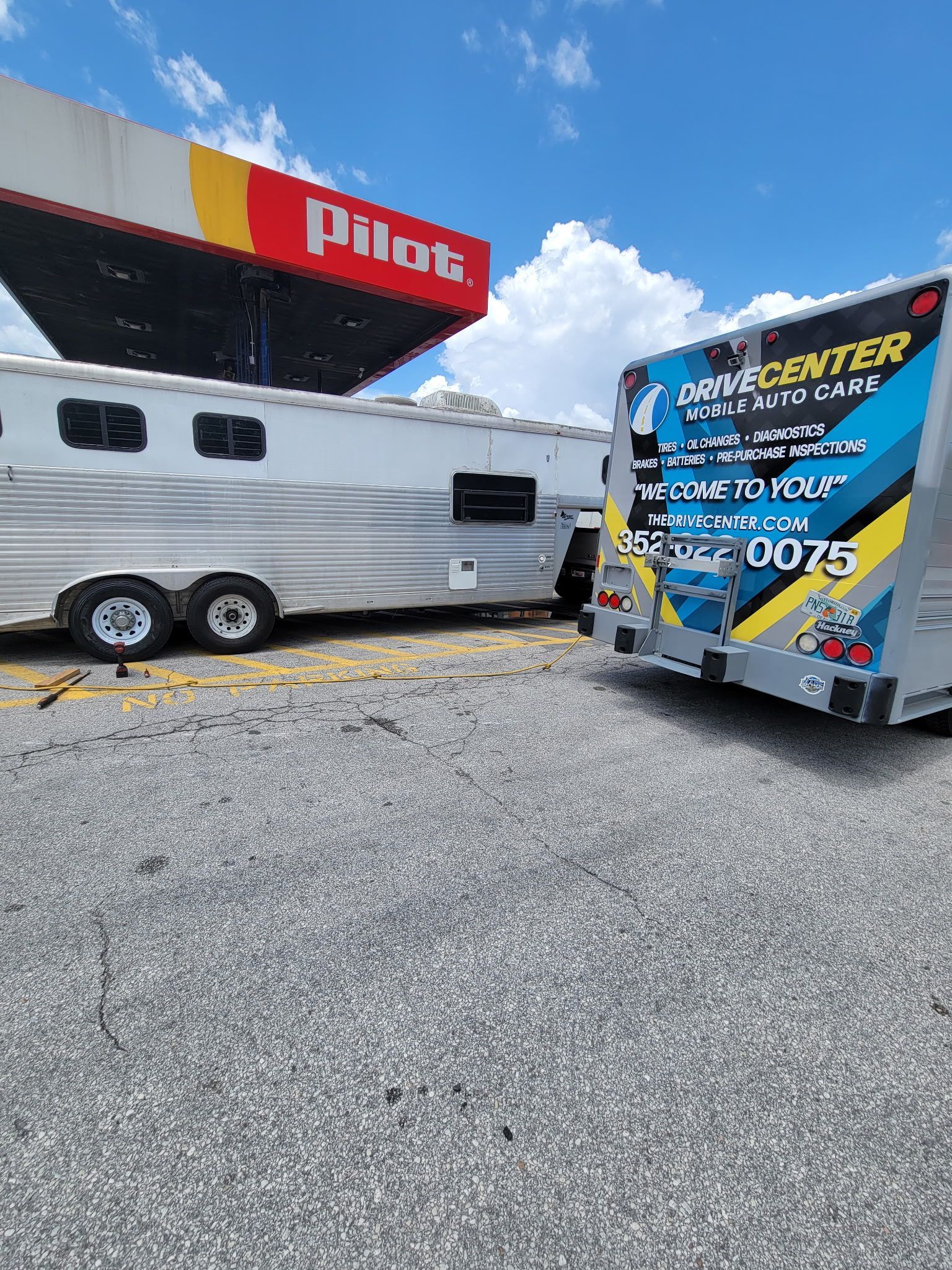
For Ocala-area businesses that rely on vehicles to keep work moving, maintenance planning can help reduce the risk of unexpected downtime and make service needs easier to manage. Contractors, service companies, delivery operations, and other businesses often depend on vehicles being available when work is scheduled.
Why Unplanned Vehicle Downtime Costs More Than the Repair
When a work vehicle breaks down unexpectedly, the repair itself is rarely the biggest cost. A delivery gets pushed to the next day. A service call gets rescheduled. A crew waits for a replacement vehicle instead of being on a job site. For businesses that rely on vehicles to keep work moving, the disruption from an unplanned breakdown can affect more than the vehicle itself.
Planned maintenance doesn't eliminate every mechanical failure, but it can help reduce the risk of unexpected downtime by identifying maintenance needs and developing issues earlier.
The Difference Between Reactive and Planned Fleet Maintenance
Reactive maintenance means responding after something fails: a warning light comes on, a vehicle starts making noise, or it simply won't start. At that point, the vehicle is already unavailable, and the business is working around the problem instead of ahead of it.
Planned maintenance works the other way. Instead of waiting for a failure, service is scheduled around how a vehicle is actually used, so small issues can be identified and addressed before they contribute to unexpected downtime.
What Planned Maintenance Actually Considers
Every vehicle in a fleet is used differently, so a planning approach that treats every vehicle the same tends to miss things. A useful starting point is looking at how each vehicle is actually put to work, including how many miles it covers, how much time it spends idling versus driving, whether it regularly tows or carries heavy loads, and what kind of routes or road conditions it deals with day to day.
A vehicle that spends most of its time idling in stop-and-go traffic wears differently than one that covers long highway miles, and a vehicle used for towing has different demands than one used for light local deliveries.
Service history matters here too. A vehicle with a documented maintenance record is easier to plan around than one where the last service date is unknown, since patterns in past repairs often point to what's likely to need attention next.
Why Inspection Comes Before Repair Recommendations
Planning maintenance well means knowing what a vehicle actually needs, not just what it's due for on a general schedule. That's why inspection matters as much as scheduling. Checking a vehicle's condition against how it's been used and what the manufacturer recommends helps separate what needs attention now from what can be monitored or scheduled for later.
Recommending repairs without that step risks either missing a developing problem or replacing something that didn't need it yet.
Getting Started: What to Have Ready
For a business with more than one vehicle, planning maintenance starts with basic information: how many vehicles are in use, roughly how they're each used, and what's known about their service history. Even an incomplete picture is a useful starting point. A maintenance plan can be built and refined from there.
Plan Fleet Maintenance with DriveCenter
DriveCenter Complete Auto Care works with Ocala-area businesses to plan and manage maintenance for light-duty fleet vehicles. Learn more about our Fleet Maintenance & Repair services in Ocala, FL and how that process works.